Mushroom grow kits

Grown in your home

UNGU mushroom grow kits make it simple to grow fresh gourmet mushrooms at home without laboratory equipment, specialist tools or previous experience. Each box contains living mycelium and a fully colonised substrate block, so you only need to open the marked area, choose a suitable place, keep it humid and watch a small mushroom world come to life.

What is a mushroom grow kit?

It is a small mushroom farm prepared for the home. The nutrient-rich substrate has already been colonised by living mycelium, so you do not need to prepare or inoculate anything. Open the marked growing area, mist it regularly with clean water and place the kit in bright, indirect light. Depending on the variety and the conditions in your room, the first pins can appear within days and quickly develop into an edible harvest.
Which kit should I choose first?

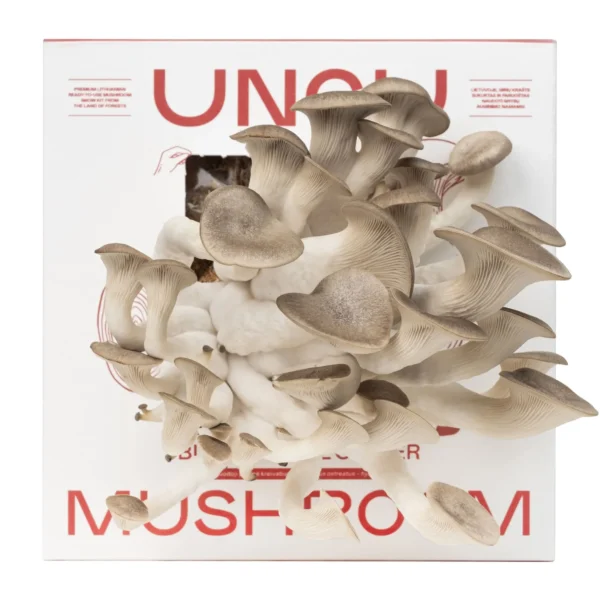
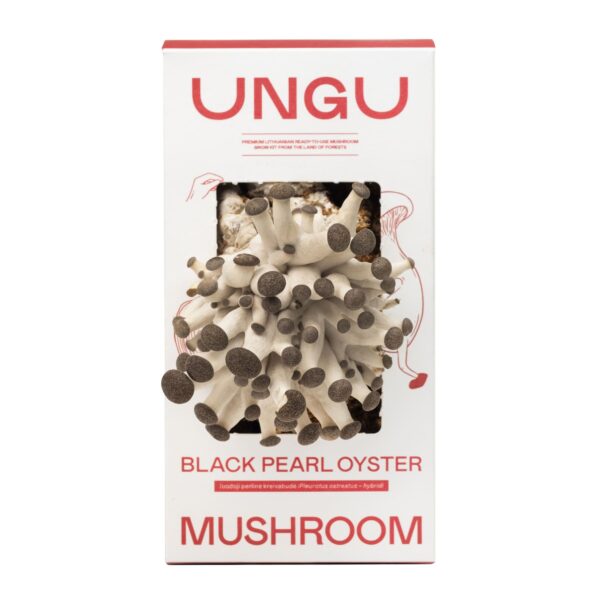
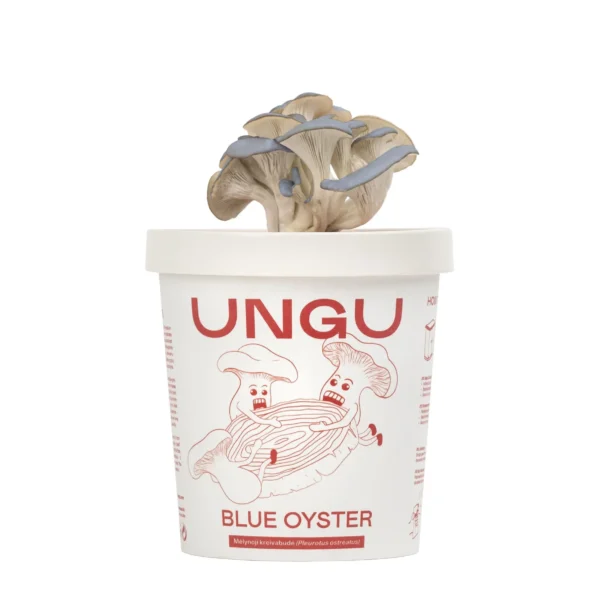
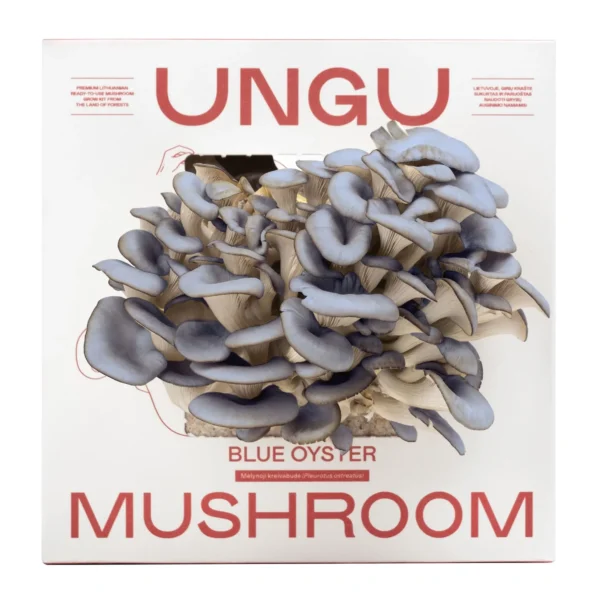
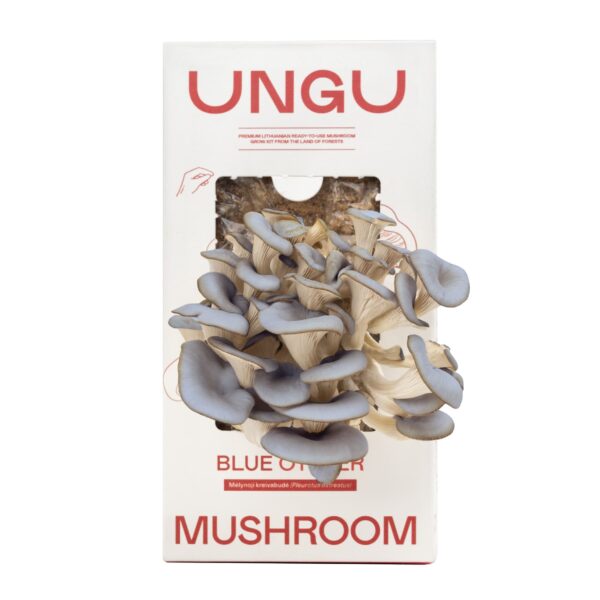
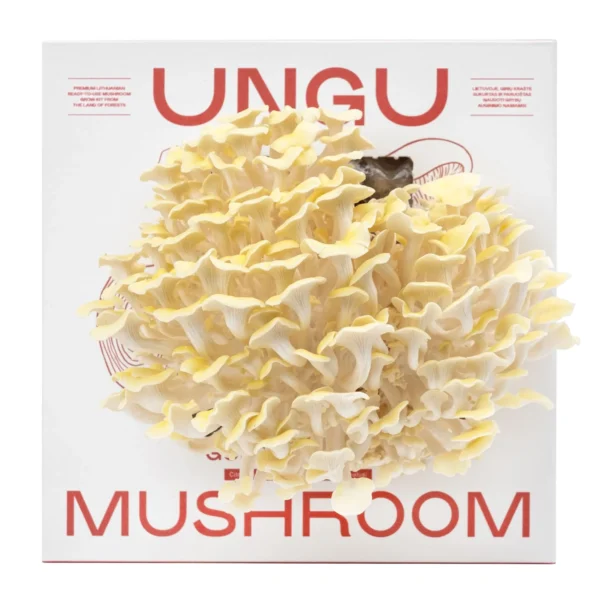
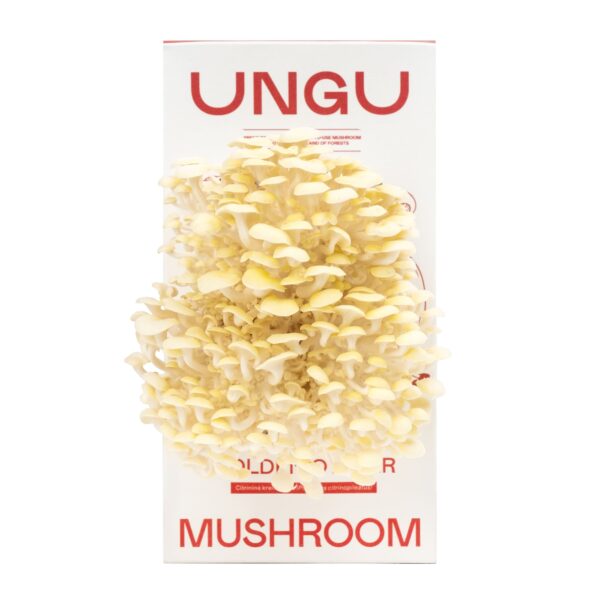
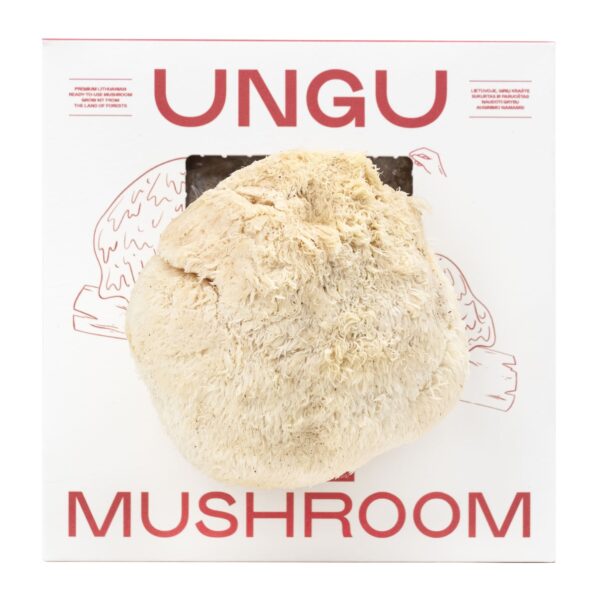
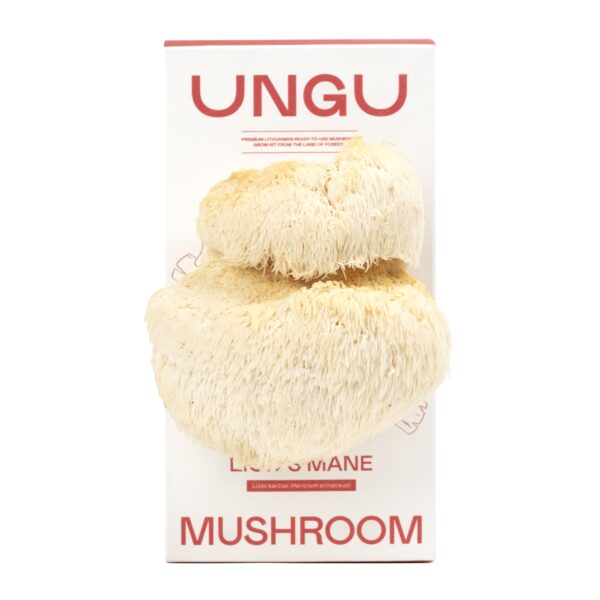
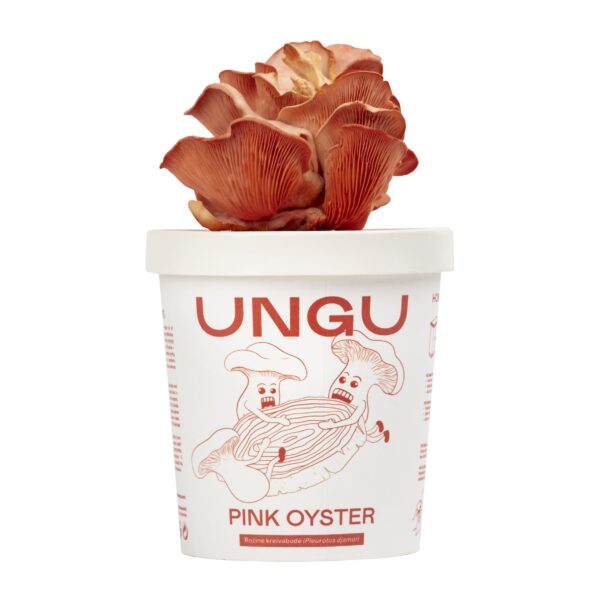
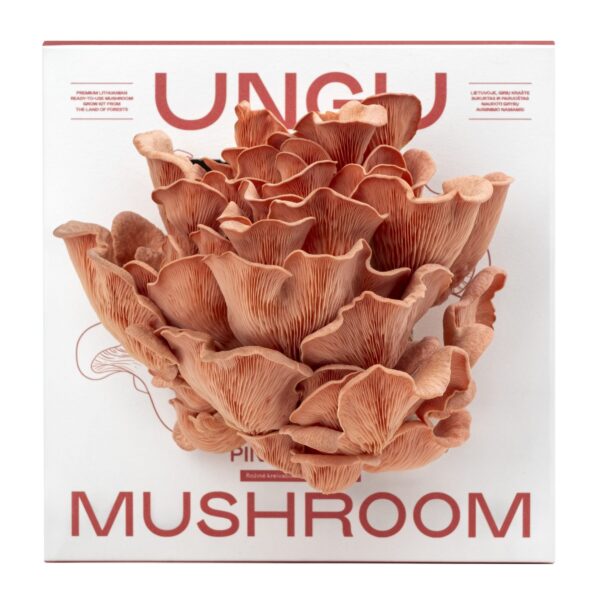
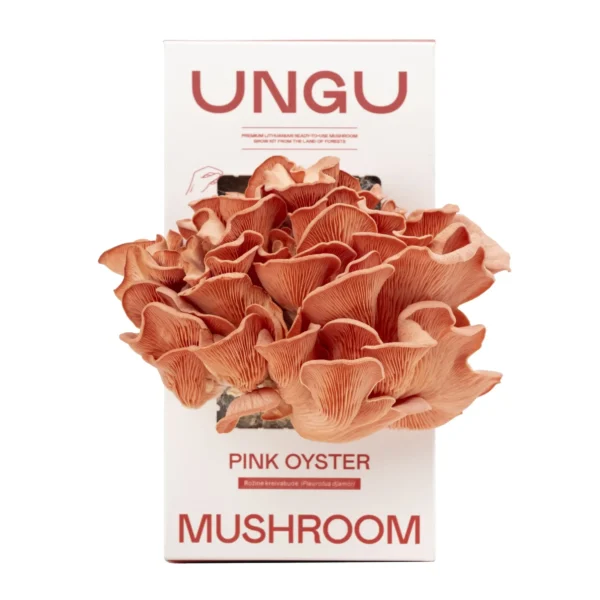
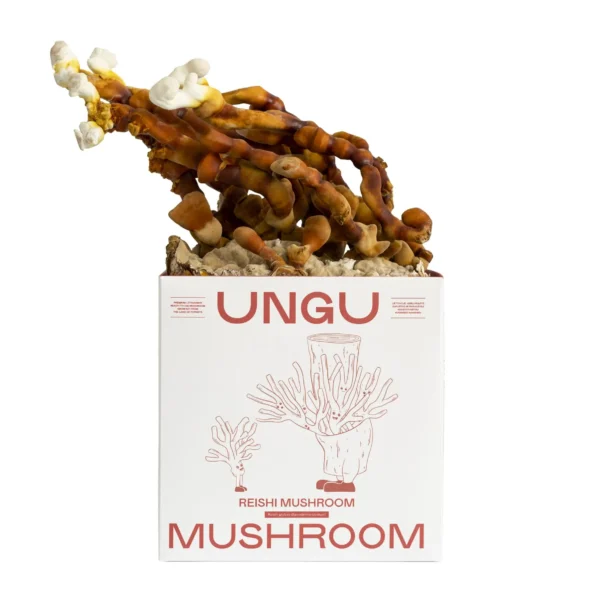
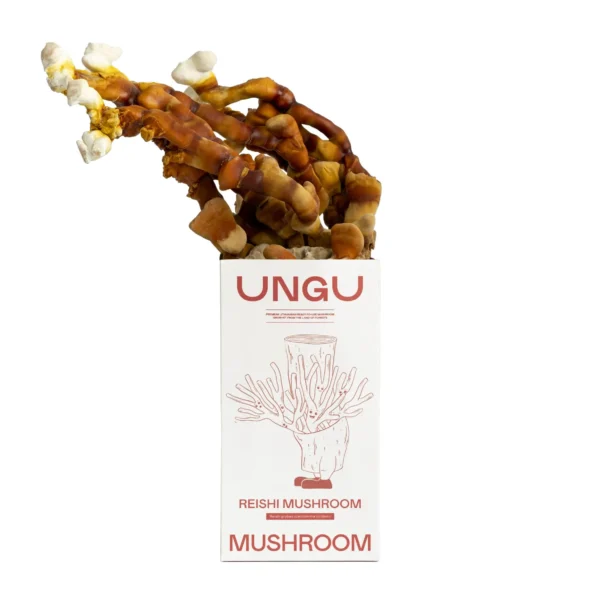
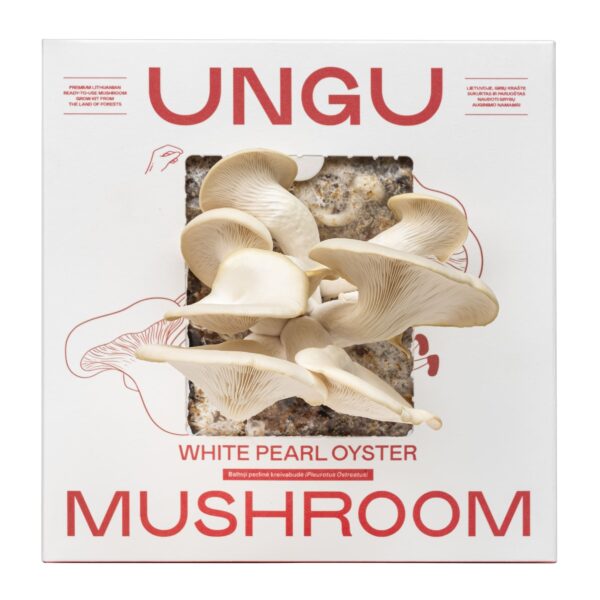
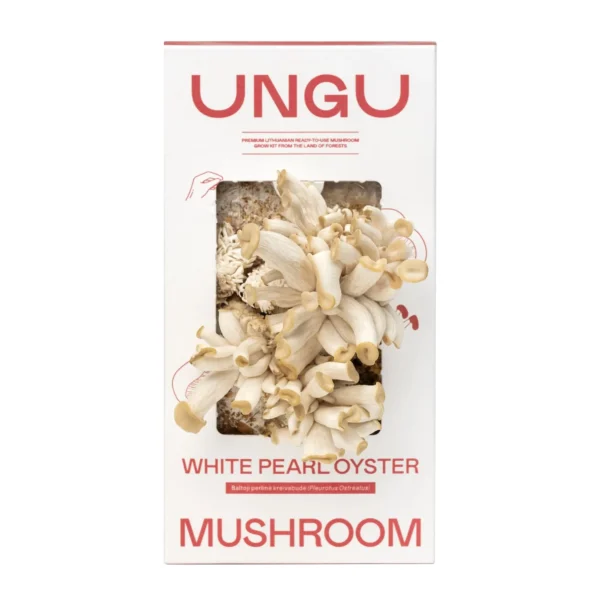
Oyster mushrooms are a very visual first choice. Pink oysters grow quickly and stand out with their colour, blue oysters are meaty and full-flavoured, while white pearl oysters are mild and gently nutty. Lion's mane offers a completely different, soft and shaggy texture; reishi is better for patient growers because it develops much more slowly. A smaller kit is an easy introduction, while a larger box suits anyone hoping for a more generous harvest or a memorable living gift.

How do I care for the kit?

Prepare the box and inner bag exactly as described in the instructions for your chosen variety. Some kits need an X-shaped cut; others fruit through a ready-made or clearly marked opening. Do not open more of the bag than instructed, because it helps maintain the humid microclimate around the block.

Keep the kit in gentle indirect light, away from radiators, direct sun and strong draughts. Misting the growing area with clean water two or three times a day is usually enough. The surface should remain humid, but water should not collect around the block. If the edges dry quickly, mist a little more often rather than soaking the substrate.

If nothing changes for several days, do not add extra cuts or throw the kit away. Mycelium is alive, and growth speed changes with room temperature, humidity and airflow. Continue following the variety-specific instructions and keep the exposed area from drying out.

Harvest a mature cluster by gently twisting it free or cutting it close to the block with a clean knife. Remove loose mushroom fragments and resume misting. In suitable conditions many blocks produce a second and sometimes a third flush, although later harvests may be smaller.

When will the mushrooms appear?

Timing depends on the species, temperature, humidity and fresh air. Oyster mushroom pins often appear after about 5–9 days, lion's mane after roughly 7–12 days, while reishi develops much more slowly. Once the first tiny mushrooms form, the cluster can change dramatically in only a few days. Check the kit daily and keep the growing surface humid during this stage.

What is inside the box?

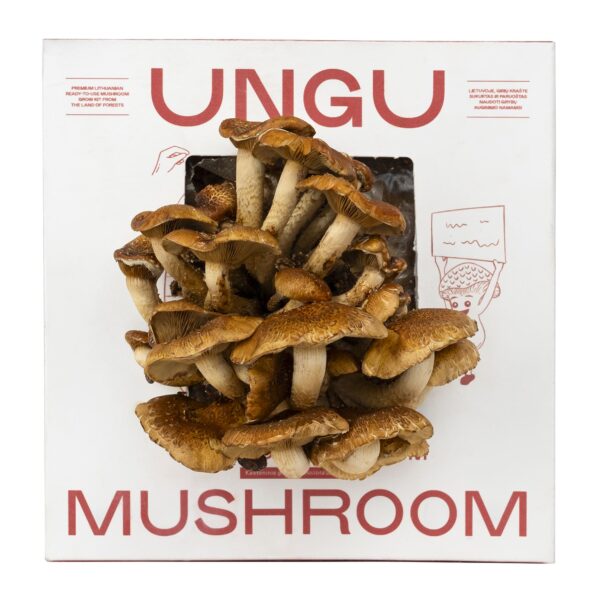
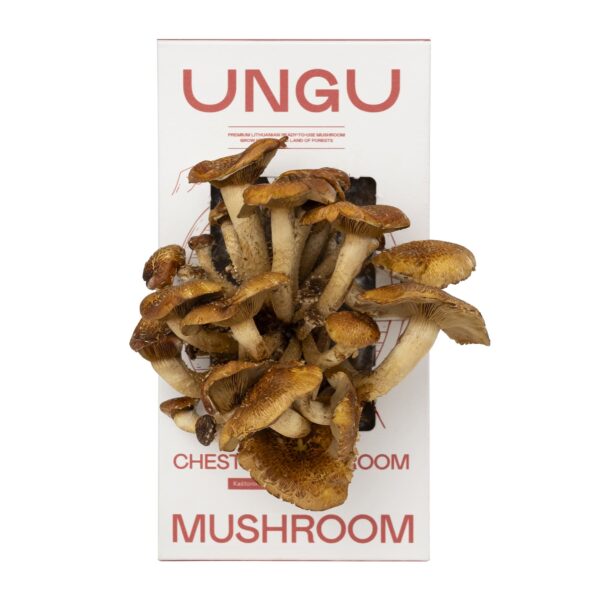
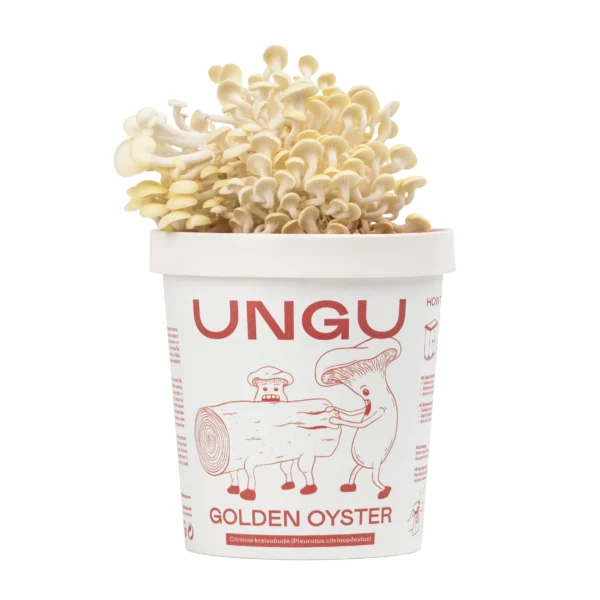
You receive a fully colonised substrate block, a bag that helps retain moisture, a sturdy UNGU box and instructions written for that particular mushroom variety. There is no need to buy separate spawn, mix a substrate or use specialist equipment. The kits are prepared in the small UNGU family farm near Kaunas, Lithuania, and are ready to fruit in an ordinary home.

Explore: oyster mushrooms, lion's mane, supplies.

Reference: fresh-produce storage guidance.

A living gift that actually starts to grow

Choose for the person, not only for the colour

For a first grow, begin with oyster mushrooms. Pink oysters change quickly and look dramatic, white oysters are mild and versatile, while Lion’s Mane suits someone who wants an unusual texture. If you do not know the recipient’s room temperature or taste, a gift card is the safer choice.

S, M or a two-species bundle?

S is a compact first experience and a smaller potential harvest. M is better for a family, a repeat grow or a more substantial gift. Two-species bundles offer two different growing experiences, but the blocks may begin fruiting at different times – that is normal.

  • Beginner: choose a clear oyster mushroom kit.
  • Gift: match the size to the recipient’s space and desired harvest.
  • Repeat grower: choose M or a two-species bundle.

FAQ

Clear answers about choosing, using and caring for products in this category.

UNGU mushroom character in the growing guide

Yes. The substrate is already colonised with living mycelium, so no laboratory equipment, extra substrate or previous knowledge is needed. Follow the enclosed instructions for the specific variety.

They do not need direct sun. A bright place with gentle, indirect daylight is best. Keep the kit away from radiators, harsh sunlight and strong draughts.

A white, mould-like layer is usually healthy mycelium, the living network from which the mushrooms form. Contact UNGU if you see a vivid green or black patch or notice an unpleasant smell.

Usually, yes. An unopened kit can often be held in a cool place or refrigerator for a limited time. Pink oyster mushrooms are more sensitive to cold, so always follow the storage advice on the individual product page.

The number of flushes depends on the species and growing conditions. With consistent care, two or three flushes are common, and some oyster mushroom kits may produce more. Later harvests are often smaller, which is completely normal.

The right moment varies by species. Oyster mushrooms are generally harvested once the caps have opened but before the edges curl strongly and heavy spore release begins. Use the enclosed instructions for other varieties.

If the kit has not been opened, store it as recommended for that product. After a first harvest, you can cover the growing opening and move the block briefly to a cool, dark place. Resume humidity and normal care when you return.

Low humidity or insufficient fresh air are common causes. Remove dry pins, let the block rest briefly and restart care according to the instructions. In a dry room, a loose humidity tent with plenty of air holes can help.