Oyster mushrooms

Colour, texture and plenty of umami

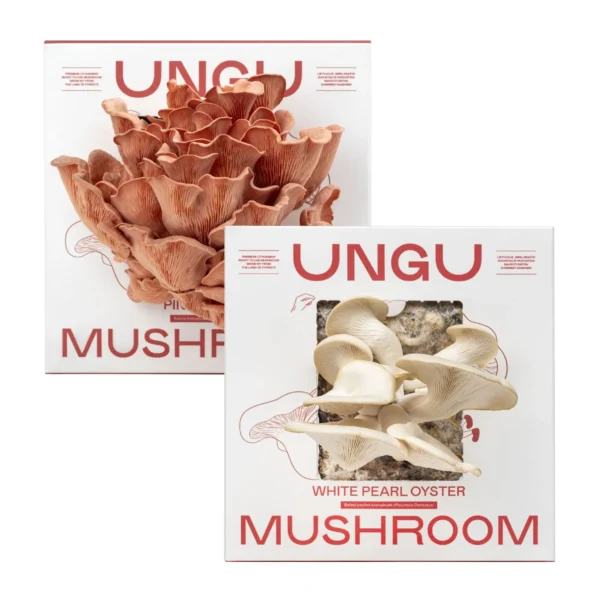
Oyster mushrooms are among the friendliest varieties for a first home-growing experience. They grow quickly, look remarkable and can play almost any role in the kitchen, from a delicate nutty accent to the centre of a hearty meal. Pink, blue, golden, white or black pearl: each has its own character, but all appreciate steady humidity, fresh air and a little attention.

Oyster mushrooms: colour and umami

The oyster mushroom family is broad, so there is no single correct choice. Some varieties stand out for their colour, others for a firmer bite or deeper savoury flavour. Their growing principle is similar: living mycelium is already established in a prepared substrate block, and your job is simply to open the growing area, mist it regularly and let nature work at its own surprisingly fast pace.
Which oyster mushroom is best for a beginner?

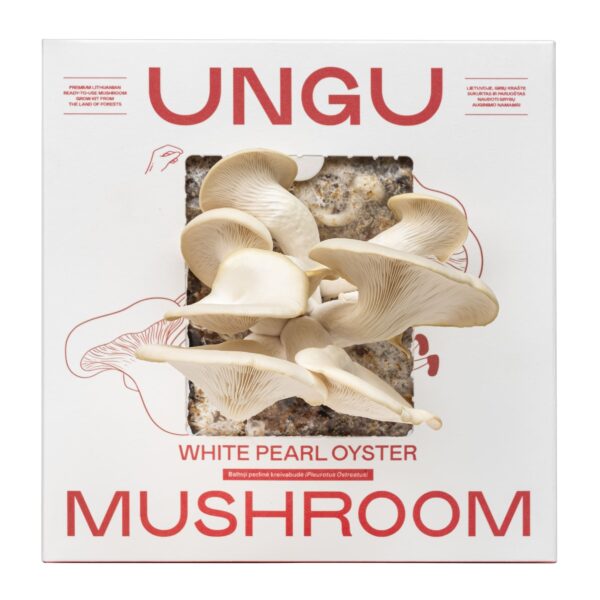
Pink, blue and white pearl oysters are all approachable first choices. Pink oysters grow very quickly and bring dramatic colour, blue oysters have a firm, meaty texture, and white pearl oysters are mild and versatile. Choosing by colour is completely fair, but it is also worth thinking about the dish you would like to cook after harvest.

Five varieties, five personalities

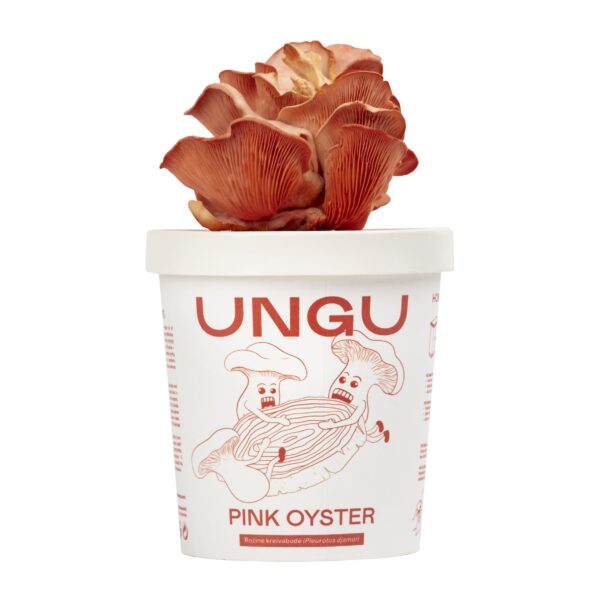
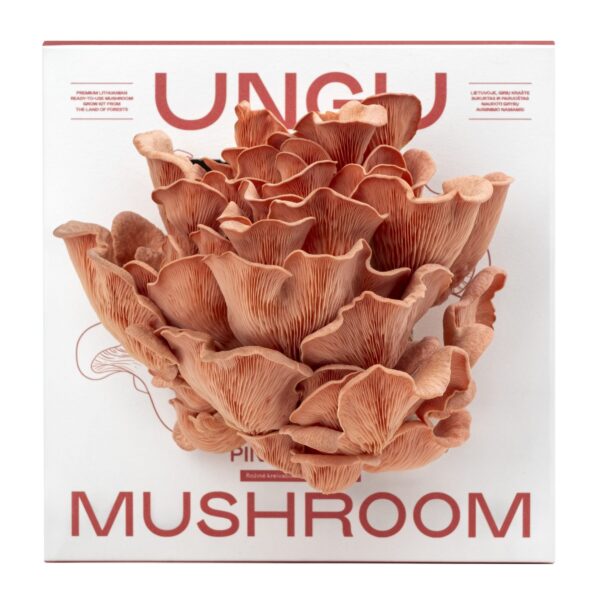
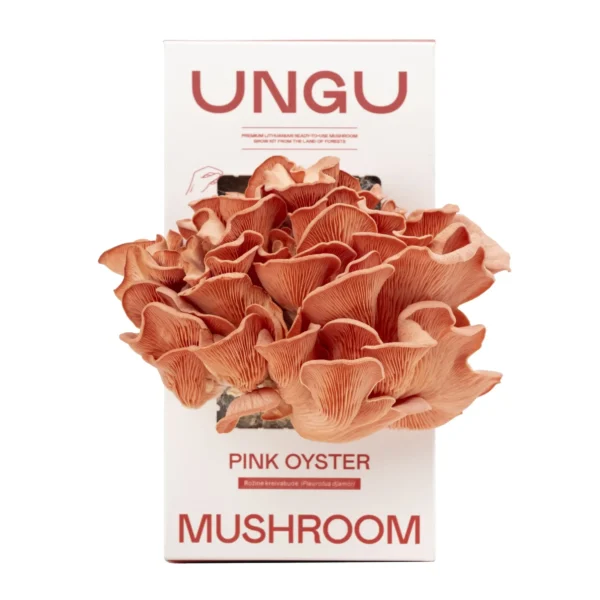
Pink oyster mushrooms are vivid, fast-growing and slightly more robust in flavour. They work well in tacos, Asian-style dishes or a vegetarian barbecue, although the harvested mushrooms are best eaten promptly.

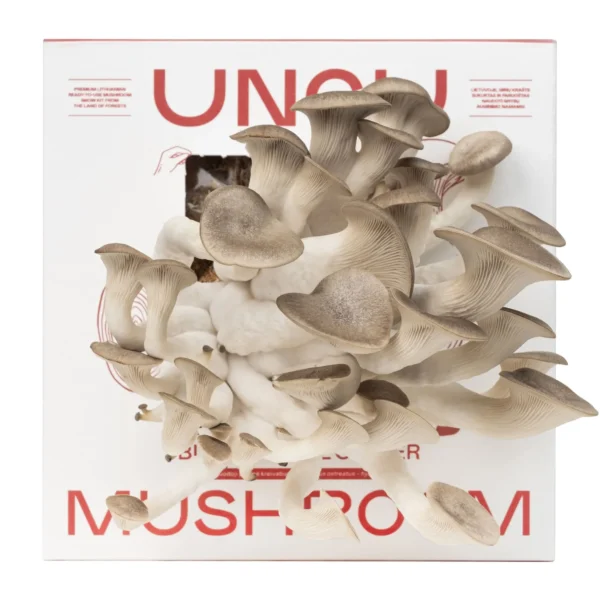
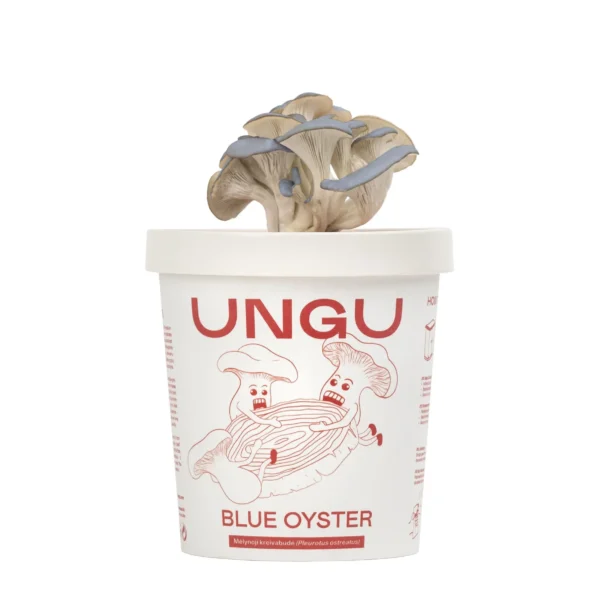
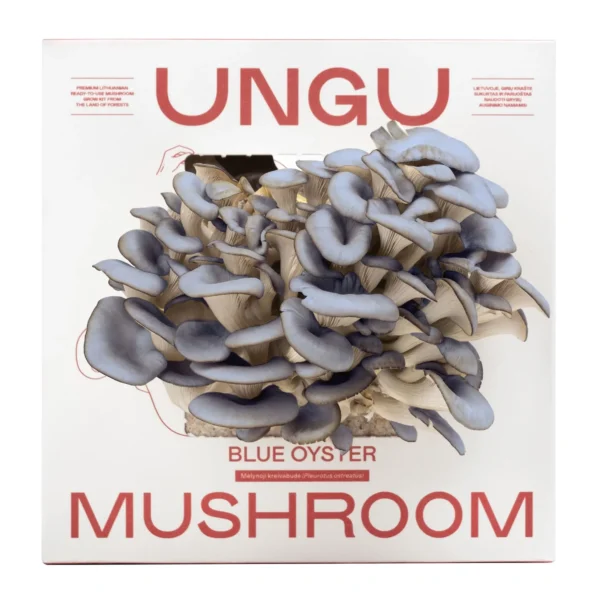
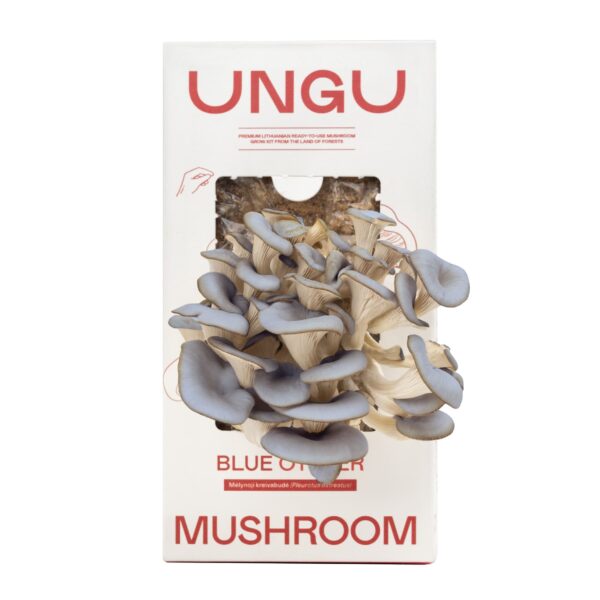
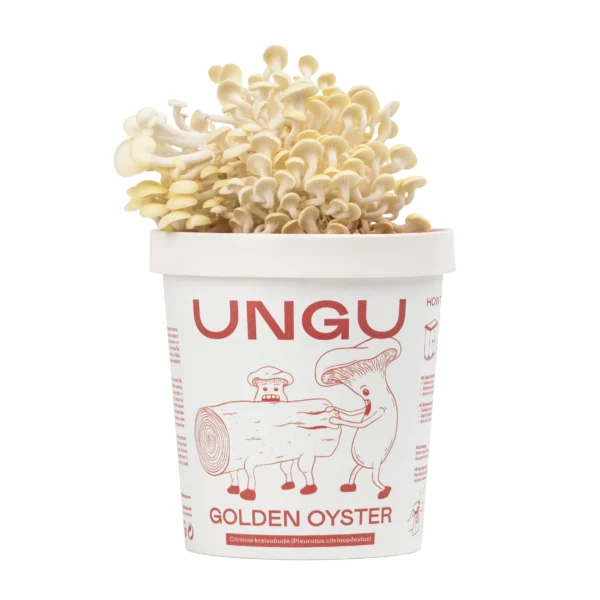
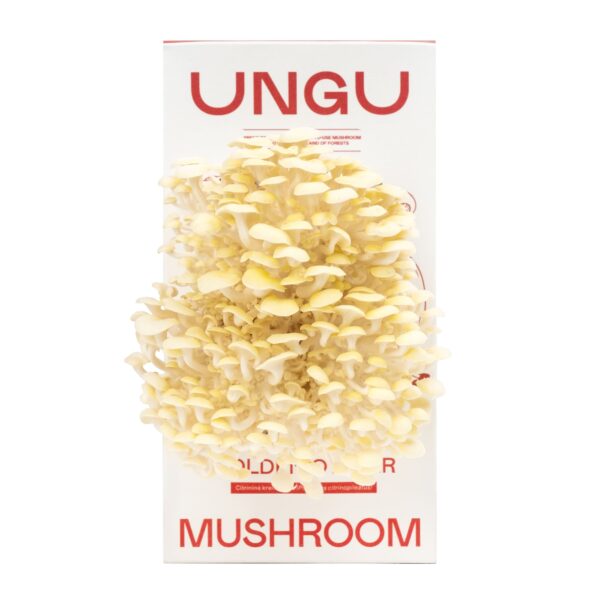
Blue oyster mushrooms are firm and meaty, making them excellent in soups, stews, pasta and creamy sauces. Golden oysters have a gently nutty aroma and are especially good in risotto or quickly browned in a hot pan.

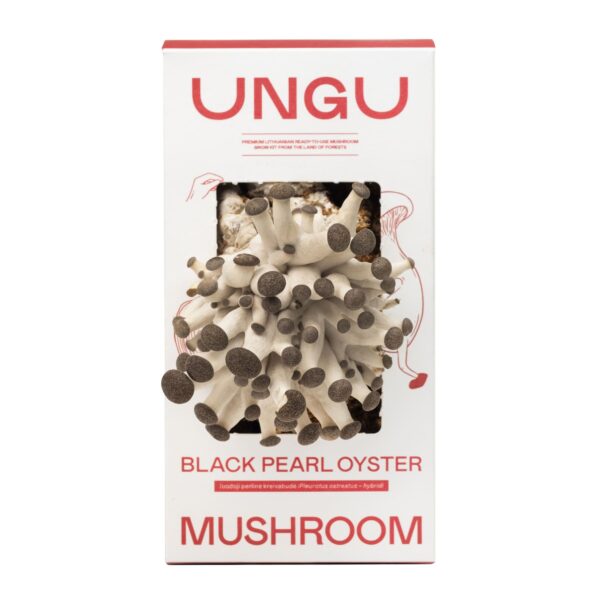
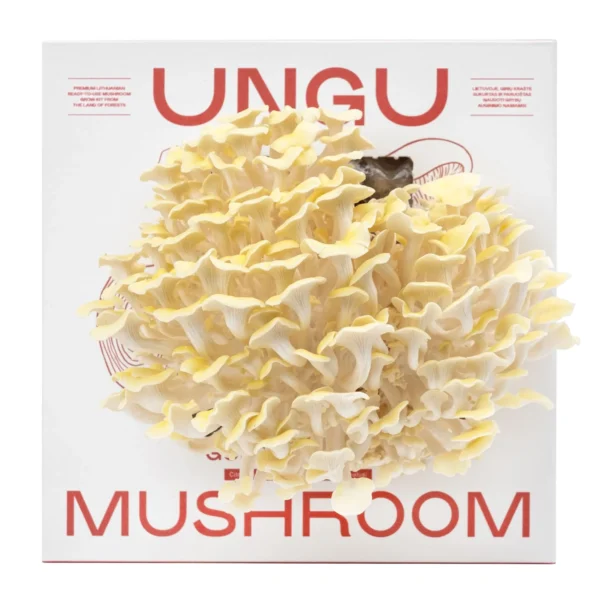
White pearl oysters are mild, adaptable and easy to use across different cuisines. Black pearl oysters are firmer and rich in umami, pairing naturally with garlic, rosemary, balsamic flavours, soups and slow-cooked dishes.

How do I grow oyster mushrooms?

Prepare the box exactly as shown in the instructions for your kit, place it in gentle indirect light and mist the growing opening two or three times a day. The surface should remain humid, not waterlogged. Long stems with very small caps often indicate that the mushrooms need more fresh air, so improve gentle air circulation without putting the kit in a strong draught.

FAQ

Clear answers about choosing, using and caring for products in this category.

UNGU mushroom character in the growing guide

Pink, blue and white pearl oysters are all friendly first choices. Regular humidity, enough fresh air and following the instructions matter more than the colour of the variety.

This often happens when there is not enough fresh air. Move the kit to a place with gentle air circulation, keep it away from a strong draught and continue maintaining humidity.

No. Gentle, indirect daylight is enough. Avoid direct sun because it can heat and dry the growing surface very quickly.

With good care, two or three flushes are common and some blocks may produce more. Later flushes can be smaller than the first, which is a normal part of the growing cycle.

Harvest the cluster once the caps have opened but before their edges curl strongly and a heavy release of spores begins. The whole cluster can be twisted off gently or cut close to the block with a clean knife.

A white layer is usually healthy oyster mushroom mycelium. Contact UNGU if you see bright green or black growth or notice a distinctly unpleasant smell.

The basic principles are similar, but ideal temperature and storage can differ. Pink oysters prefer warmer conditions and are sensitive to cold, while blue oysters tolerate cooler rooms better. Follow the instructions supplied with the specific kit.

Keep them dry in a paper bag in the refrigerator and use them while they are still firm and fresh. Avoid sealed plastic bags, where condensation can make mushrooms deteriorate more quickly.